A coastal metal roof needs a product specification suited to the actual property. Begin with exposure and roof geometry, then compare the metal, panel design, compatible accessories, and coverage. This guide turns those decisions into a short selection process for a Monterey-area home without assuming that every roof near the ocean needs the same system.
1. Write a site brief before requesting products
Start with the address, existing roof covering, approximate age if known, and the problem the new roof should solve. Add photographs from the ground showing each elevation. Note whether the roof faces open water, sits behind other buildings, or includes sheltered areas, without trying to calculate exposure yourself. Give every proposer the same brief so recommendations can be compared against the same property rather than an imagined typical coastal home.
2. Keep base metal, coating, and panel profile separate
Steel, aluminum, and copper are material choices. Standing seam describes a panel arrangement. A painted finish is another specification. Write each on its own line in your comparison sheet. A proposal that names only standing seam is incomplete for this purpose, while one that names only aluminum still leaves the panel system undefined. The Metal Roofing Alliance discusses marine material options, but the specific manufacturer’s suitability conditions remain necessary for the actual product.
3. Give awkward roof areas their own line items
Mark valleys, dormers, chimneys, skylights, wall connections, and any low-slope porch. These locations can change the work required even when the main roof area is modest. A single beautiful panel sample does not show how those details will be completed. Where the proposal keeps an existing flashing or gutter connection, identify it explicitly. The goal is a complete roof scope that can be compared, not a list of accessories selected after the price is accepted.
4. Review the whole material family
Include trims, flashings, fasteners, and drainage components in the discussion. Their materials and connection details should suit the specified roof, rather than being treated as unrelated purchases. A roof with a copper accent and other metal drainage components needs particular review of compatibility and water routing. The Copper Development Association’s design guidance cautions against copper runoff onto exposed aluminum. Product-specific design documents should settle the actual assembly.
5. Evaluate appearance at building scale
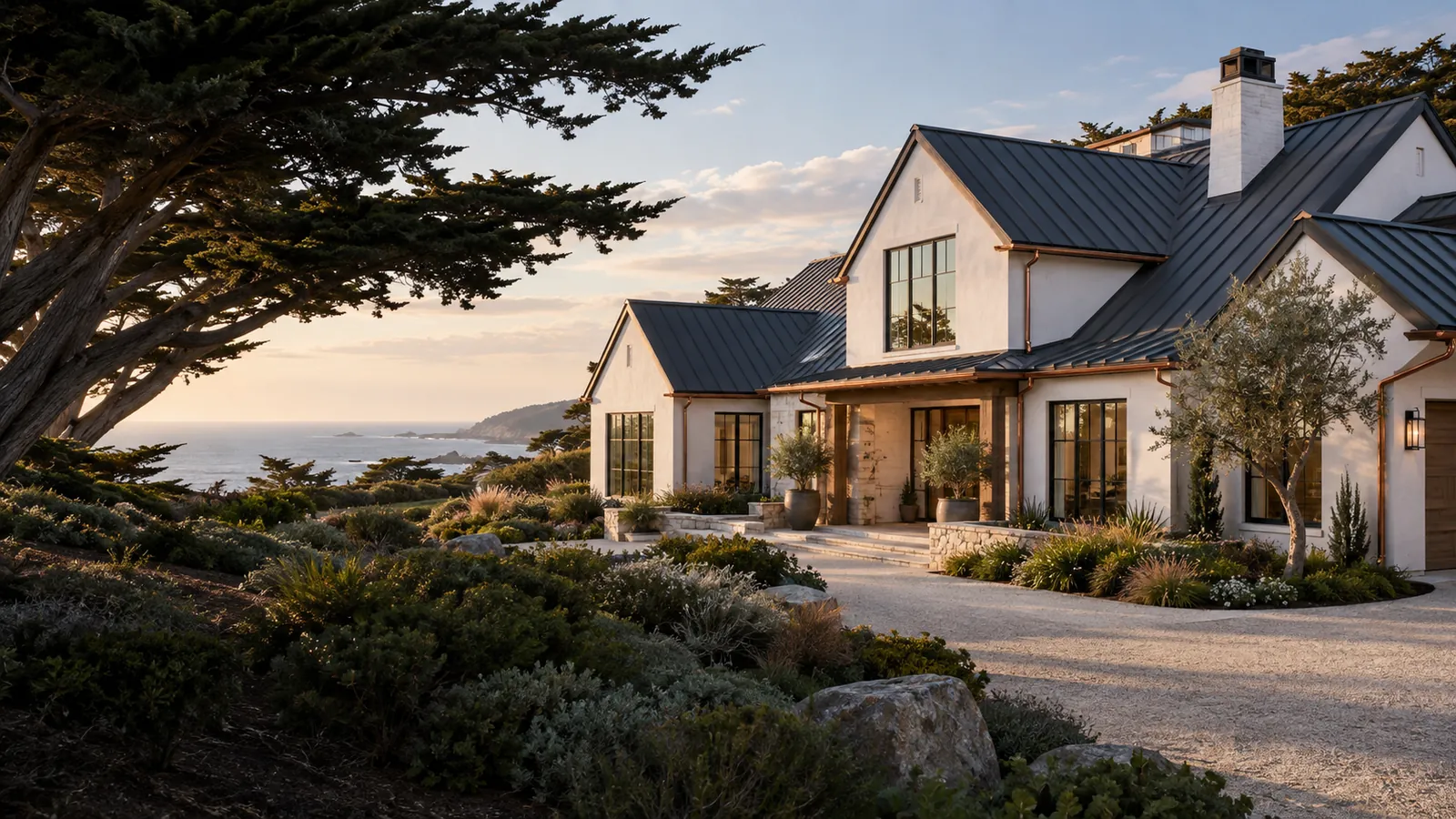
Choose a panel profile and finish with the house’s walls, windows, and visible roof edges in view. A small color sample cannot show every lighting condition or how seams align across a complex roof. If a porch or front elevation is especially important, include it in the design discussion. Resolve any association or planning questions before ordering, and retain a written record of the approved product and finish.
6. Use a decision example rather than a blanket winner
Consider a hypothetical home with a simple main gable and a low-slope addition. One proposal covers the main gable in metal but says nothing about the addition; another includes both areas with different appropriate systems. The second proposal is more complete, but that alone does not prove it is the best technical choice. First align the roof areas, then compare suitability documents, detail scope, and price for the same finished project.
7. Close the file with documents you can use later
Before selection, resolve open questions about exposure restrictions, installation scope, and actual coverage. Keep manufacturer terms separate from any contractor workmanship terms. After installation, retain the product identification and maintenance information with the final scope. If solar, communications equipment, or a skylight is added later, those records allow the new work to be reviewed against the installed roof rather than guessed from its visible color.
| Record | Complete entry looks like |
|---|---|
| Site | Address, exposure description, and roof photographs |
| Panel system | Named product and included roof areas |
| Metal and finish | Base material plus exact coating or finish |
| Transitions | Valleys, walls, skylights, and low-slope areas listed |
| Compatibility | Accessories and drainage considered together |
| Coverage | Actual documents with address-relevant limitations |
Project Checklist
- Prepare one property brief for all quotes.
- Mark every roof plane and difficult transition.
- Separate material, finish, and panel profile.
- Resolve suitability questions before ordering.
- Keep selected product and coverage documents.
Questions to Ask Before You Decide
Is aluminum always the best choice for a Monterey coastal roof?
Does marine grade establish a warranty?
What should I compare before deciding on the color?
References
Metal Roofing Alliance: marine environments
Copper Development Association: architectural design handbook