Prepare a roofing project in four stages: describe the property and problem, compare a defined scope, organize access and decisions, and retain the completion record. You do not need to diagnose the roof yourself. Accurate information and a short list of priorities are more useful than guessing the cause of a leak or the exact material required.
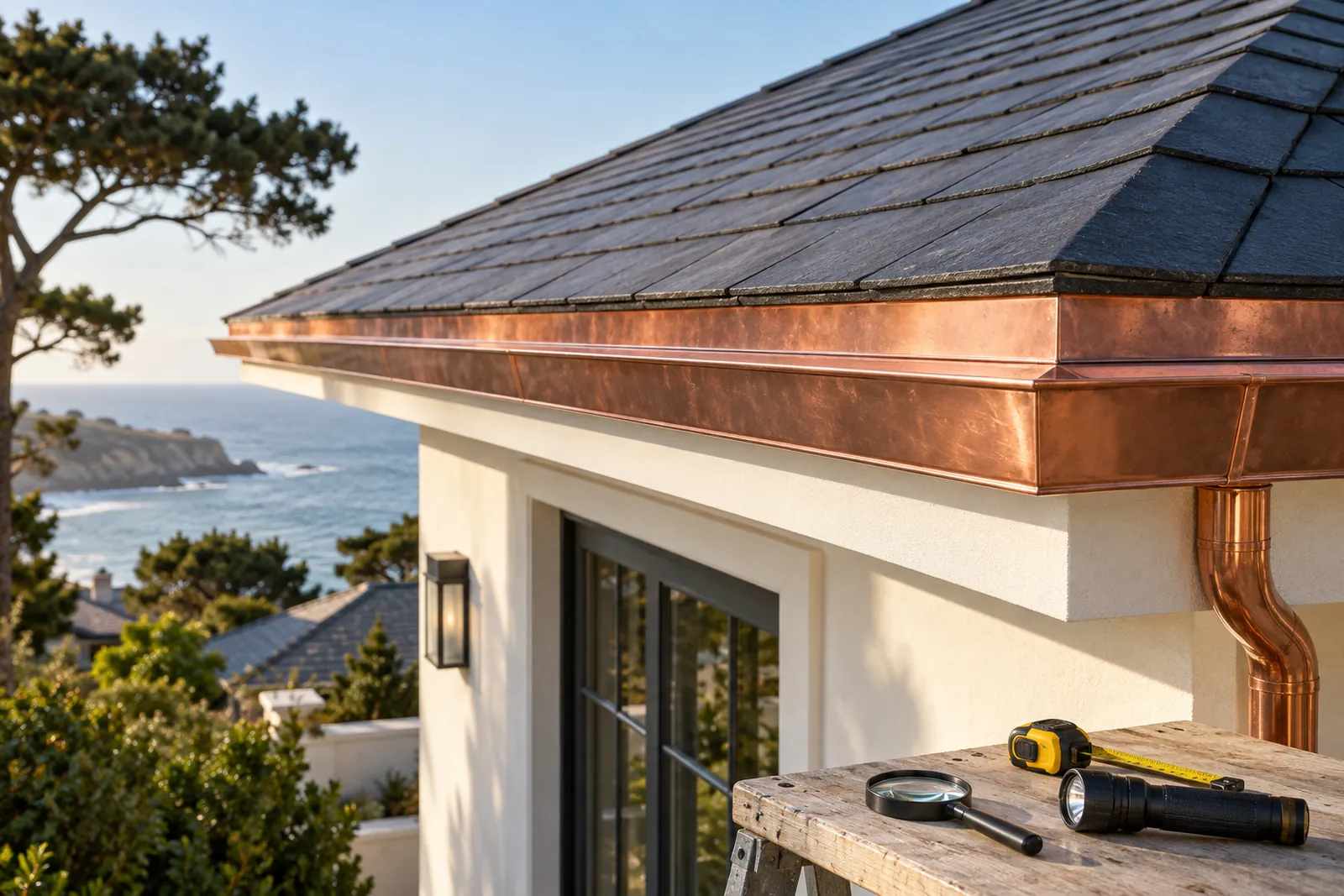
Before the first conversation: assemble the property brief
Write the address, property type, existing roof material if known, and the main reason for contacting a roofer. Add an approximate installation date only if you have a reliable record; otherwise mark it unknown. List recent repairs, affected rooms, and relevant building work. Photographs taken from indoors and safely from the ground can help explain the concern. Do not climb onto the roof to complete this checklist.
At the assessment: distinguish findings from unanswered questions
Keep notes on what was observed, which areas were accessible, and what needs further investigation. A visual assessment cannot reveal every concealed condition. For a leak, note whether the source has been identified or whether the visit has only narrowed the possibilities. This distinction helps you evaluate the next proposed step and prevents an early possibility from becoming an assumed diagnosis in later discussions.
Before comparing prices: write down your priorities
Choose the outcomes that matter: resolving a recurring problem, replacing an aging covering, changing appearance, or coordinating another renovation. Separate essential scope from optional upgrades. Include future plans for skylights, solar, gutters, or equipment that may affect the roof. Give each proposer the same information. A consistent brief produces more useful comparisons than requesting one unspecified roof price and trying to reconcile the differences afterward.
Before ordering: identify the right property review
A Monterey-area mailing address does not by itself establish the permitting authority or all property constraints. The County of Monterey provides parcel and mapping resources that can help establish location information. Confirm the applicable jurisdiction and any association or design-review questions for the actual address. The project agreement should identify who handles required approvals. Do not apply another property’s permit experience as a blanket rule for your roof.
Before work begins: plan the day-to-day site
Set locations for material delivery and debris collection, identify parking limits, and explain gates or access restrictions. Move the discussion beyond the roof: pets, tenant schedules, customer entrances, and fragile outdoor items may affect the plan. Name a primary contact and an alternative if the owner will be unavailable. Establish how schedule changes and conditions discovered during work will be communicated and approved.
During work: keep changes in one place
Maintain a simple decision log with the date, issue, agreed action, and any effect on price or schedule. Retain photographs supplied to explain concealed findings. Distinguish an owner-requested upgrade from work required by newly discovered conditions. Refer to the written agreement and applicable consumer guidance for the change process. A clear log is particularly useful when more than one owner, manager, or trade is involved in approving decisions.
At completion: build the property’s roof file
Collect the final scope, approved changes, product identification, any supplied photographs, and coverage documents actually issued. Include permit and inspection records where applicable. Note maintenance instructions and how to report a concern. If some roof areas were excluded, preserve that boundary in the file. The next owner or contractor should be able to tell what changed without reconstructing the project from old text messages or assuming every visible surface was renewed.
| Stage | Prepare or retain |
|---|---|
| First request | Address, concern, history, and safe photographs |
| Assessment | Findings, access limits, and unresolved questions |
| Quote comparison | Same roof areas, products, allowances, and exclusions |
| Before scheduling | Approvals, access, deliveries, contacts, and equipment |
| During work | Documented changes and their effect on scope |
| Completion | Final records, product information, and actual coverage |
Project Checklist
- Write the address and preferred contact details.
- Describe the problem without guessing the diagnosis.
- Gather previous roof and repair records.
- List future building or equipment changes.
- Compare clearly defined scopes.
- Confirm applicable approval responsibilities.
- Plan access, pets, tenants, and deliveries.
- Name the person who can approve changes.
- Save the final roof file.
Questions to Ask Before You Decide
What if I do not know my roof’s age or material?
Should I wait to request a quote until I choose a material?
Does every Monterey-area roof use the same permitting process?
References
County of Monterey: parcel and zoning resources