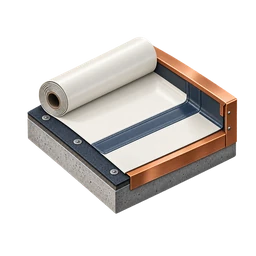
Roof waterproofing needs a defined system and a suitable existing surface. A coating, a localized flashing repair, and a new membrane solve different problems. Establish the roof condition and the proposed treatment before deciding whether restoration is appropriate or replacement should be compared.
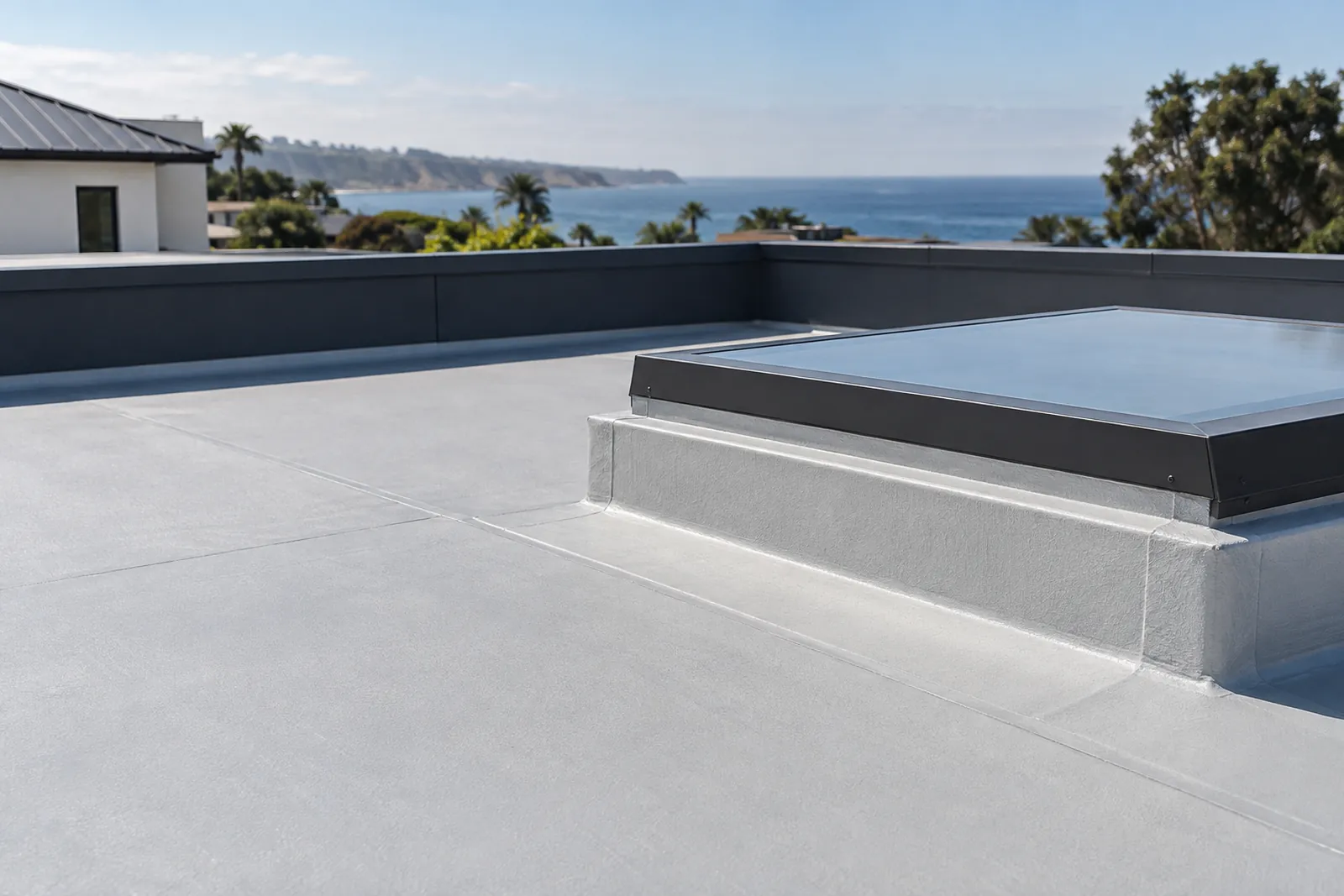
Roof Waterproofing for Your Property
Waterproof roofing is often used as a broad phrase, but a useful proposal is specific. It explains the surface being treated, the preparation required, and the details around drains, seams, walls, and equipment. That description matters more than a general promise that a new coating will stop every leak.
Coatings and restoration
A roof coating is a specified material applied as part of a documented system. Suitability depends on the existing roof and selected product. Manufacturer requirements for preparation and adhesion must be satisfied; the proposal should explain how those questions will be resolved.
Seams, flashing, and openings
A roof-wide treatment still needs attention at transitions. Drains, wall connections, joints, and openings around pipes or equipment should appear in the scope. Counting only the open roof area can leave the most detailed work undefined.
Membrane replacement
Where the existing roof is unsuitable for restoration, a new membrane or broader replacement may be the more useful comparison. The assessment should explain the limitations instead of presenting coating as an automatic alternative to every tear-off.
Identify the surface before selecting a treatment
Record the existing roof material, previous coatings if known, repair history, and areas where the surface is damaged. Keep those observations separate from assumptions about what lies below. Product names matter because different existing surfaces may require different preparation or may not suit a proposed system. A generic waterproofing price without a named treatment is difficult to evaluate or maintain later.
Make preparation visible in the proposal
Cleaning, detail repairs, and any needed primers are work items, not incidental promises. GAF’s liquid-applied roofing guidance requires suitable substrates and verified adhesion before proceeding with its systems. Use the selected manufacturer’s requirements to establish the actual preparation plan. The owner’s quote should show which defects are corrected and how unresolved conditions affect the recommendation, rather than treating the topcoat as the entire project.
Address drainage as its own question
Mark recurring ponding, blocked outlets, and troublesome edges on the roof plan. A coating does not by itself create a new drainage layout. The assessment should explain whether drainage work is needed, which trade performs it, and how it relates to the proposed treatment. If water is coming from equipment or another building component, identify that source instead of assuming rainfall is the only concern.
Understand the boundary of a roof treatment
Roof waterproofing does not automatically include walls, occupied decks, foundations, interior finishes, or equipment repairs. State which surfaces are treated and which adjoining conditions remain outside the work. A roof over living space and a regularly walked-on terrace may require different design considerations. The proposal should identify the intended use of the surface and select a system appropriate to that use.
Plan the record and future upkeep
Keep the system name, preparation scope, treated areas, and any issued coverage in the property file. Record maintenance instructions and the process for reporting damage after other trades access the roof. Future repairs should be selected with the installed system in mind. A useful completion record makes it easier to distinguish a later equipment alteration from the original treatment and to identify who should assess a new concern.
| Situation | Planning response |
|---|---|
| Defined flashing or seam defect | Evaluate a compatible localized repair |
| Potential restoration candidate | Establish substrate condition and system suitability |
| Poor drainage | Assess the drainage cause separately |
| Unsuitable retained assembly | Compare removal and replacement |
| Walked-on deck or terrace | Specify for actual use rather than assuming roof coating applies |
What to Include in Your Roof Waterproofing Request
- Existing roofing and previous coating information
- Named treatment and suitability assessment
- Preparation, adhesion, and repair requirements
- Seams, drains, walls, and equipment details
- Drainage issues and excluded surfaces
- Product records and maintenance instructions
Roof Waterproofing Questions
Can coating fix every leaking flat roof?
Is waterproofing the same as roof replacement?
Does waterproof roofing include balcony or foundation work?
Reference: GAF: liquid-applied roofing substrate and preparation requirements. Confirm current requirements for the actual property and scope.